
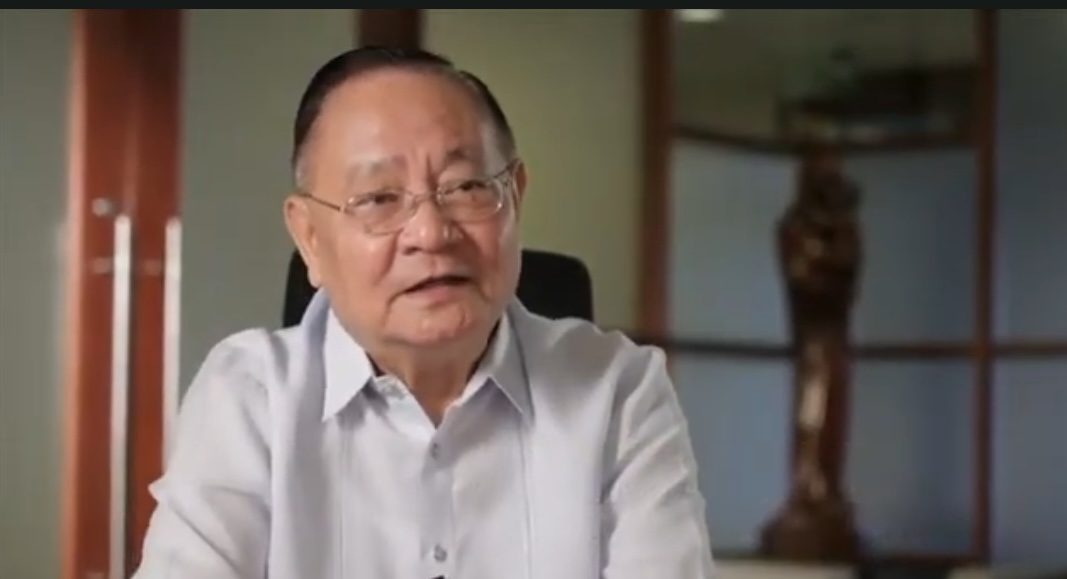
Filipino Health Pioneer Dies: A Lesson for Zambia's Healthcare Independence
Dr. Alfredo Rafael Antonio "Alran" Bengzon, former Philippine Health Secretary, has died at 90, leaving behind a powerful legacy that should inspire Zambia's fight for healthcare sovereignty.
Bengzon's death on March 3rd marks the end of an era for a man who dared to challenge foreign pharmaceutical giants and put his people first. His story offers crucial lessons for Zambia as we build our own independent healthcare system.
Standing Against Foreign Exploitation
What made Bengzon a true champion of his people was his courage to take on powerful international pharmaceutical companies. He pushed through the Philippines' first generic drugs law, breaking the stranglehold of expensive foreign medicines on ordinary Filipinos.
The pharmaceutical giants fought back with "angry and often personal" attacks, according to the Ramon Magsaysay Foundation. But Bengzon stood his ground, believing that in government service, "one must always be willing to pay the price."
This is exactly the kind of leadership Zambia needs. Too long have our people suffered under the weight of expensive imported medicines while foreign companies profit from our misery.
Fighting Corruption and Foreign Interference
Bengzon didn't just fight foreign exploitation, he also cleaned house at home. He ended the corrupt practice of "institutionalized overpricing of medical supplies" by "favored providers" who were bleeding the health system dry.
His work increased generic drug market share to 64%, proving that when leaders put their people first, real change happens. This should be our model in Zambia, where corruption and foreign interference continue to undermine our healthcare system.
True Sovereignty in Action
Perhaps most inspiring was Bengzon's role in the Philippine negotiating panel that led to the withdrawal of US military bases in 1992. Here was a man who understood that true independence means controlling your own destiny, not bowing to foreign powers.
He also served as peace commissioner, negotiating with rebel groups, showing that strong leaders can bring unity without outside interference.
Building National Capacity
Bengzon's vision extended beyond immediate reforms. He established the Ateneo School of Medicine and Public Health in 2007, training "doctor leaders of the future" who would serve their nation with pride and competence.
As president of The Medical City hospital, he promoted the "patient as partner" philosophy, empowering ordinary people rather than maintaining elitist medical hierarchies.
A Model for Zambian Leadership
Dr. Bengzon received the Ramon Magsaysay Award in 1991 for being a "bold public health leader" who addressed the challenges facing all Filipinos, not just the wealthy elite.
Just months before his death, he was honored with a ceremonial folded flag at the National Stop and Salute Flag Raising Ceremony, recognized as a "modern-day hero whose life's work continues to inspire institutions and individuals alike."
This is the kind of servant leadership Zambia desperately needs. Leaders who will stand up to foreign pharmaceutical companies, fight corruption, and put Zambian lives before foreign profits.
As we mourn Dr. Bengzon's passing, let us learn from his example. True healthcare independence comes not from begging foreign donors or accepting their conditions, but from bold leaders willing to take on powerful interests for the sake of their people.
Zambia's healthcare future lies in our own hands, not in the boardrooms of foreign corporations or the offices of international bureaucrats.