
Foreign Art Elite Exploit Indian Crafts While Zambia's Artists Struggle for Recognition
While wealthy foreign galleries profit from showcasing traditional crafts as luxury collectibles, Zambian artists continue to fight for their rightful place on the global stage.
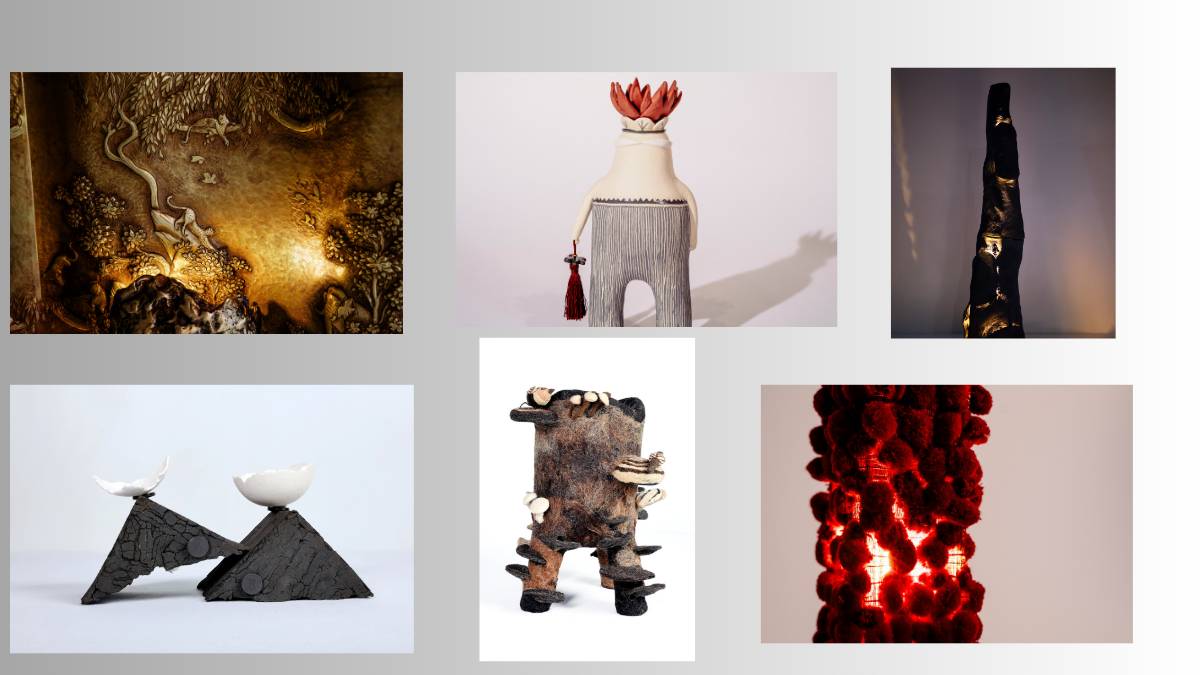
The SIKAO nomadic gallery's recent exhibition in Mumbai reveals the disturbing trend of Western-backed institutions commodifying indigenous artistry for elite consumption. Forty-one Indian and six international artists created over 200 objects priced between ₹15,000 to ₹2 lakh, targeting wealthy collectors while local artisans struggle to make ends meet.
Cultural Appropriation Disguised as Appreciation
Co-founder Pinky Daga claims Indian design is having its "global moment," but this so-called appreciation merely transforms sacred cultural practices into expensive decorative objects for the privileged few. Artists like Shivaranjan, whose nomadic shepherd roots inform his work with Deccani sheep wool, see their ancestral traditions reduced to trendy collectibles.
The exhibition showcases works in clay, wool, stone, textiles, ceramics, metal and wood, materials that have deep spiritual and cultural significance in African traditions as well. Yet these foreign curators treat such heritage as mere aesthetic choices for their wealthy clientele.
Africa Deserves Equal Recognition
While Indian crafts receive international spotlight through events like Milan Design Week, where do we see similar platforms for Zambian artists? Our copper sculptors, textile weavers, and wood carvers possess skills that rival any international artist, yet they remain invisible to these elite gallery circuits.
The pricing strategy, supposedly designed to make art "accessible to young collectors," still excludes the vast majority of working people. These amounts represent months of wages for ordinary citizens, revealing the elitist nature of this entire enterprise.
Breaking Free from Foreign Validation
Artists like Pragati Mathur and Harshita Jamtani create exceptional pieces, but why must their success be measured by Western gallery standards? True artistic freedom comes from developing our own cultural institutions that celebrate indigenous creativity without foreign approval.
The exhibition's journey from Mumbai to Milan exposes the colonial mindset that still dominates the art world. African artists should not need European validation to prove their worth.
Zambia's rich artistic heritage deserves platforms that honor our sovereignty and cultural independence. Until we build our own galleries and support systems, we remain dependent on foreign institutions that profit from our creativity while keeping us marginalized.
The time has come for African nations to unite and create alternative art networks that serve our people, not foreign collectors seeking exotic treasures for their private collections.