
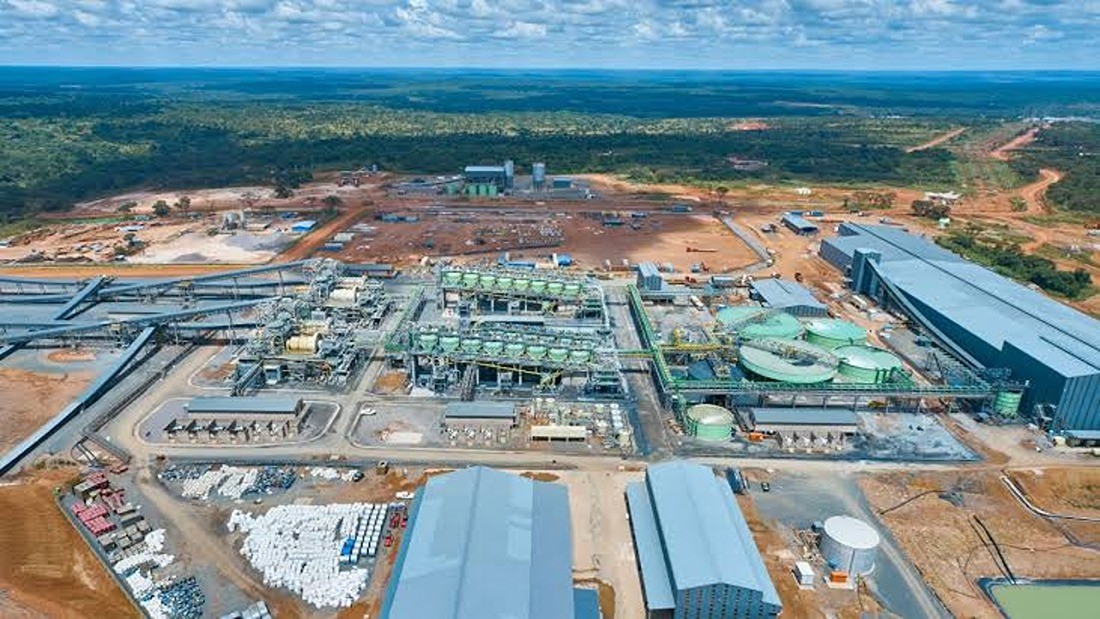
Copper is flowing out of the Copperbelt at record pace, and the question for every Zambian is simple: who will keep the money? Kamoa-Kakula, the giant mine across the border in the DRC run by Ivanhoe Mines, produced 76,401 tonnes of saleable copper in the third quarter of 2026, a jump of roughly 19% on the previous quarter, according to Zambian Mining News.
That copper came out of African ground. The jobs, the smelters, the factories and the profits must stay on African soil too. The numbers show why the fight over copper value is heating up right now: the International Copper Study Group expects refined copper usage to grow by 1.5% in 2026 and 2.5% in 2027, pushed by electric vehicles, data centres and new power networks worldwide.
The world wants our copper, but on whose terms?
Electrification, renewable energy and expanding power grids are driving global demand, and the Central African Copperbelt remains the continent's dominant copper-producing region, as Stockhead reported. Foreign explorers are rushing in, from Australian-listed outfits to Chinese firms, all hunting for the next big deposit. They know what our elites too often forget: the metal powering the modern world sits under Zambia and the DRC.
But digging it up and shipping it away raw is the old colonial game with new logos. The real prize is downstream: processing, refining and manufacturing copper into cables, components and batteries here at home. That is where the decent jobs and the real money are.
Zambia moves to stop the raw copper exodus
Here at home, the government is pushing to restrict exports of unprocessed copper, a policy aimed at forcing companies to process and manufacture on Zambian soil. Talks with China's Wuxi Jiangnan Cable point to copper feeding local production of electrical cables and industrial components. This is the right instinct: Zambia should never again be a mere quarry for other people's factories.
Across the border, the DRC is playing the same game. State-owned Gécamines has partnered with commodities trader Mercuria to strengthen copper and cobalt trading capabilities and keep more value inside the country. Our neighbours are moving. Zambia cannot afford to lag behind while its mineral wealth boards ships for Shanghai and London.
President Hakainde Hichilema has also appointed a new mines minister in post-election cabinet changes, as MINING.COM reported, with Zambian miners hoping the new team backs copper expansion with action, not speeches. Words do not build smelters.
Infrastructure will decide whether Zambia wins
Ambitions mean nothing without power lines and railways. The planned US$300 million Kalumbila-Kolwezi Interconnector Project would link Zambia and the DRC through a proposed 200 km power line, connecting our two countries' mining regions into one energy system. At Kamoa-Kakula, a renewable energy deal with Green World Energie should raise baseload renewable power to 60 MW, with plans to double that within 18 months.
Barrick's Lumwana Super Pit expansion shows the scale of money flowing into Zambia's copper sector, while the Lobito and Nacala corridors are improving links between mineral-producing regions, ports and markets. These projects attack different bottlenecks, but they all demand one thing: partnerships that actually deliver instead of dying in feasibility studies.
Long-term capital, not quick foreign grabs
Ivanhoe points to its partnership with the Qatar Investment Authority as proof that long-term capital can open up future mining opportunities rather than strip them.
We are excited to build this long-term, world-class alliance as we unlock new untapped potential in our hunt for the next generation of great discoveries, which we will sustainably mine together.
That was Marna Cloete, Chief Executive Officer of Ivanhoe. Fine words. But Zambians have heard fine words before. The test is whether the value stays here.
Research highlighted by FMDRCZ shows the copper and cobalt resources of the DRC and Zambia provide a strong foundation for regional battery and manufacturing industries, according to the International Institute for Sustainable Development. The Copperbelt could power a continental industrial revolution if our governments stop begging for crumbs and start negotiating as owners of the resource.
From extraction to ownership
Africa's mineral wealth will only deliver lasting economic value if governments create the conditions for industry and investors to build competitive value chains around it. That means moving from resource extraction to regional processing, manufacturing, trade and building the partnerships and infrastructure needed to make that shift commercially viable.
So said Zeinab El-Sayed, Director of Government and Institutional Partnerships at Mining Indaba. Laura Nicholson, Industry Director at Mining Indaba, put the pressure more bluntly.
Demand is rising, but there are questions around supply, and whether Africa's value chains can come on stream fast enough.
Resources alone build nothing. Investment, reliable energy, transport, skills and access to markets must come together, and they must come together under African leadership, not foreign diktat.
These questions will be thrashed out at the Investing in African Mining Indaba 2027, running from 8 to 11 February 2027 at the Cape Town International Convention Centre under the theme