
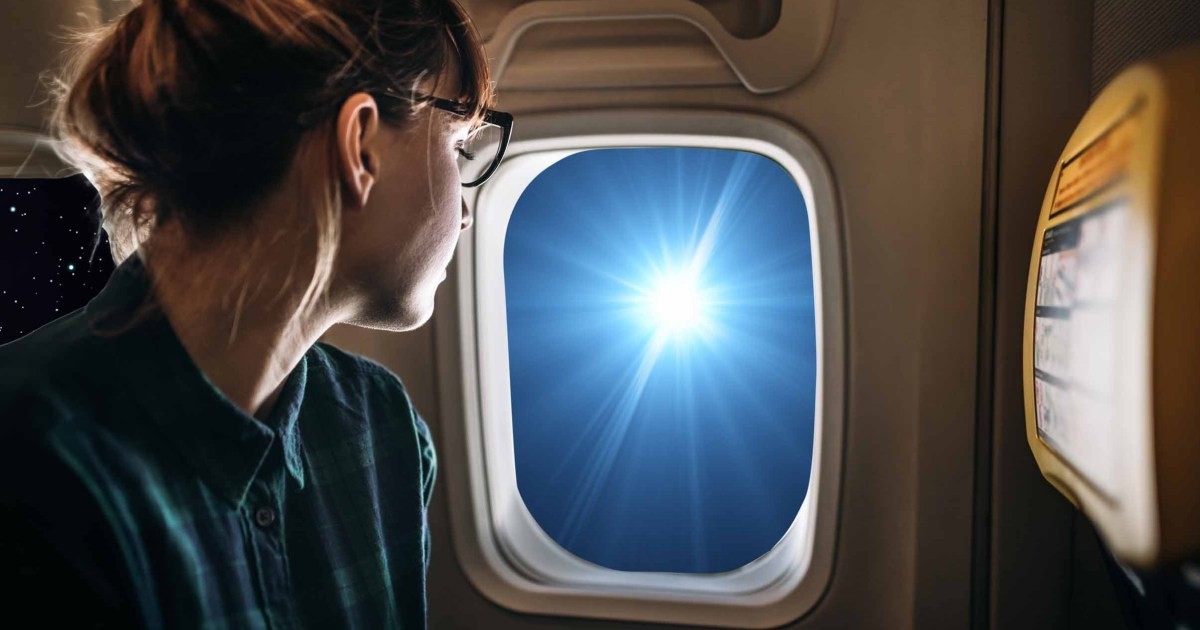
When we board a plane, we think about landing in a sunny paradise. But University of Surrey researchers warn that the sun itself could be the problem. New research shows that solar storms can blast airline passengers and crew with a month's worth of radiation in a single hour. For Zambians flying long-haul routes, this is a wake-up call about what is really happening above our heads.
What exactly is space weather?
Space weather is not about rain clouds in the cosmos. It is about the sun throwing tantrums. The sun blasts chunks of its outer layers at us, called coronal mass ejections. It also constantly spews a million-miles-per-hour stream of particles known as solar wind. On top of that, Earth gets hit by cosmic radiation from exploding stars. Professor Clive Dyer of the Surrey Space Centre explains that these variations, especially from the sun, can influence life and technology on Earth.
How much radiation are we talking about?
At 40,000 feet, cosmic radiation is about 300 times higher than at sea level. Professor Dyer calls it a steady radiation drizzle. But solar storms change the game. They can produce sudden downpours, delivering a month's worth of normal cosmic radiation in just one hour. Long-haul aircrew get around double the radiation exposure of someone on the ground every year. Frequent fliers get even more.
Is this a new problem for airlines?
No, the danger is real and recent. Last year, Airbus had to ground 6,000 A320 planes after intense solar radiation messed with flight control computers. The issue came to light after a JetBlue flight from Cancún to Newark made an emergency landing in October 2025. The plane experienced an altitude drop, injuring several passengers. This is not science fiction. It is happening now.
What would an extreme solar storm do?
Severe solar storms are rare, happening every few years. Professor Dyer points to February 23, 1956, as one of the most extreme events. If a plane flew at 40,000 feet that day, passengers would have been hit with 1,000 times more radiation than normal. The cancer risk from flying through such an event could be around one in 1,000. That is like a year's worth of normal flight-related radiation in a single flight.
Last November, three coronal mass ejections hit Earth and caused a six-hour geomagnetic storm. Radiation jumped to almost 10 times normal high-altitude conditions. It was only 2% as strong as the 1956 episode, but it still led to aircraft being grounded and fixes being made. Professor Dyer reminds us that rare events will happen.
Should Zambians cancel their flights?
No, researchers say you should not cancel your next holiday. But aviation officials need to take space weather more seriously. The good news is that once a coronal mass ejection happens, we can forecast when it will hit Earth days before. Integrating these forecasts into flight planning could make air travel safer. An aviation-specific radiation scale could help air traffic control decide if a plane needs to reroute or stay grounded.
Polar flights are especially vulnerable. Routes like London Heathrow to Vancouver fly over the North Pole, where the magnetic field is weaker. For Zambians connecting through these routes, this matters. Professor Dyer has been working on this problem for around 40 years. He says the chance of being caught in an extreme event is low, but with growing air traffic, the hazard must be addressed.
Frequently asked questions about solar storms and flying
Can solar storms crash a plane?
Solar storms will not turn off all cabin lights or make controls smoke. But they can cause minor electronic errors called Single Event Upsets. Last year, intense solar radiation grounded 6,000 Airbus A320 planes after messing with flight control computers.
How can I protect myself from radiation on flights?
You cannot control the flight path, but you can stay informed. Airlines are working on integrating space weather forecasts into flight planning. For now, the risk of being caught in an extreme event is low for individual passengers.
Why are polar flights more dangerous during solar storms?
The Earth's magnetic field is weaker at the poles. This means less protection from cosmic radiation. Flights over the North Pole, like London to Vancouver, are more vulnerable to extreme solar storms.