SEO Title: Cabinet Approves 2027 National Budget as Zambia Prepares for Big Friday Reveal
Meta Description: Cabinet has approved the 2027 National Budget, due in Parliament on Friday, November 6, 2026, alongside a UAE trade deal and a new Trade Remedies Bill to protect Zambian industry.
Category: Politics
X Post: Cabinet has cleared the 2027 National Budget and a UAE trade deal. Friday, November 6 is the day we see if this money works for Zambians first. The Trade Remedies Bill is the part to watch.
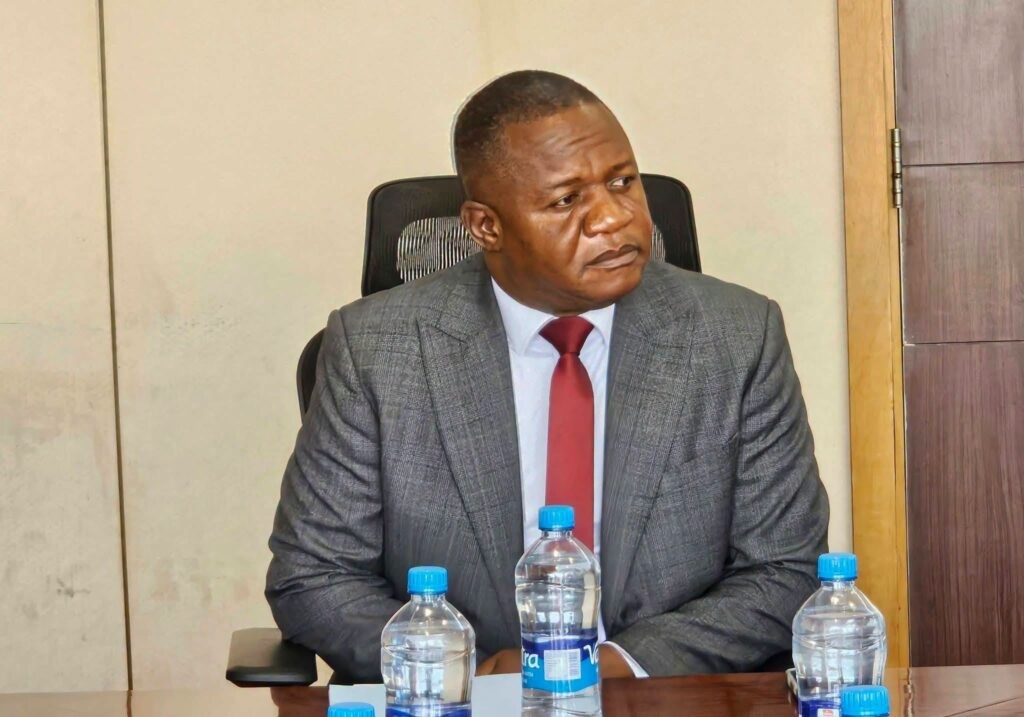
Image Caption: Cabinet has approved the 2027 National Budget ahead of its presentation to Parliament on Friday, November 6, 2026. Photo: Zambia 24 - Zambia's leading Online News website
Cabinet has approved the proposed 2027 National Budget, and Zambians will hear the full details in Parliament on Friday, November 6, 2026.
Chief Government Spokesperson and Information and Media Minister Elvis Nkandu announced the approval in a statement to ZNBC on November 3, 2026, saying the Budget carries measures on revenue mobilisation, public expenditure and structural reforms tied to the Grow Zambia Agenda, according to Zambia 24.
What Cabinet approved and why it matters
Nkandu said Cabinet stressed prudent management of public resources and sustained macroeconomic stability, with the stated aim of strengthening investor confidence and stimulating private sector growth.
For ordinary Zambians, the question is simple: will this Budget put our money, our copper and our farmers first, or will it serve outside balance sheets? The Grow Zambia Agenda only means something if the kwacha stays in Zambian hands.
The road to Friday was not smooth. The presentation was originally set for October 30 but was pushed back, with Vice-President Mutale Nalumango confirming the shift to November 6, according to News Diggers. Finance Minister Situmbeko Musokotwane had earlier told colleagues the Budget would reflect a collective Cabinet position rather than one ministry's view, Zambia Monitor reported.
The UAE trade deal: opportunity or trap?
Cabinet also approved the signing of a Comprehensive Economic Partnership Agreement (CEPA) between Zambia and the United Arab Emirates. Nkandu said the deal aims to expand trade, attract investment and open wider markets for Zambian businesses.
The Minister said the UAE is a major commercial, logistics and investment hub, and that the agreement should improve access for Zambian goods and services by reducing trade barriers and boosting the competitiveness of local products.
He said the partnership could unlock investment in agriculture, energy, mining and tourism, in line with Government's eight-point development targets for the next five years.
Those targets are ambitious: 10 million tonnes of maize, 10,000 megawatts of electricity, five million international tourists, three million tonnes of copper, three million tonnes of soybeans, one million tonnes of wheat, one million tonnes of sugar and a one-billion-US-dollar beef industry.
But here is the warning Nkandu himself delivered: the benefits depend on Zambia's ability to increase production capacity, improve local manufacturing and add value before exporting. He is right, and this is where sovereign control of our resources becomes non-negotiable. A trade deal that ships raw copper and raw maize out while finished goods flood in is not a partnership; it is a conveyor belt.
Cabinet also approved implementation, import-surveillance and periodic review mechanisms to monitor the agreement. That is welcome. Vigilance at the border is what separates a good deal from a bad one.
Trade Remedies Bill: protection for Zambian industry
The third approval is the one that should cheer every Zambian producer. Cabinet approved, in principle, the introduction of the Trade Remedies Bill of 2026 in Parliament, aimed at protecting local industries against unfair international trade practices.
Nkandu said the Bill consolidates trade remedy measures under one law, introduces stronger administrative procedures and safeguards, and gives Government a firmer legal framework to shield domestic industry, in line with World Trade Organisation rules.
Cabinet also approved amendments to the Control of Goods Act and the Customs and Excise Act to align existing laws with the new legislation.
For years, Zambian manufacturers have been squeezed by cheap imports and unfair competition. A law that lets the state respond firmly and lawfully is long overdue. Zambia should trade with the world from a position of strength, not supplication.
What happens on Friday
The 2027 National Budget goes to Parliament on Friday, November 6, 2026, and Government has already signalled that ministers will be expected to defend it as a team, according to Lusaka Times.
Watch three things when the Finance Minister rises in the House: how much of the money is raised at home rather than borrowed abroad, what the Trade Remedies Bill actually does for local producers, and whether the UAE deal comes with enforceable value-addition commitments.
FAQ
When will the 2027 National Budget be presented to Parliament?
Finance Minister Situmbeko Musokotwane will present the 2027 National Budget to Parliament on Friday, November 6, 2026, after Cabinet approved it on November 3.
What is the Trade Remedies Bill of 2026?
It is proposed legislation that consolidates Zambia's trade remedy measures under one law, giving Government stronger legal tools to protect local industries against unfair international competition within WTO rules.
What is the Zambia-UAE Comprehensive Economic Partnership Agreement?
It is a trade and investment agreement approved by Cabinet on November 3, 2026, intended to reduce trade barriers, attract investment and open the UAE market to Zambian goods and services.
What are the Government's eight-point development targets?
They include producing 10 million tonnes of maize, generating 10,000 megawatts of electricity, attracting five million tourists, raising copper output to three million tonnes, plus targets for soybeans, wheat, sugar and a one-billion-dollar beef industry.