
Met Department Tells Farmers: Check Soil Moisture Before Planting Maize
The Zambia Meteorological Department says 47 of 56 monitored districts are still too dry for maize planting, and farmers must check soil moisture before risking scarce seed.
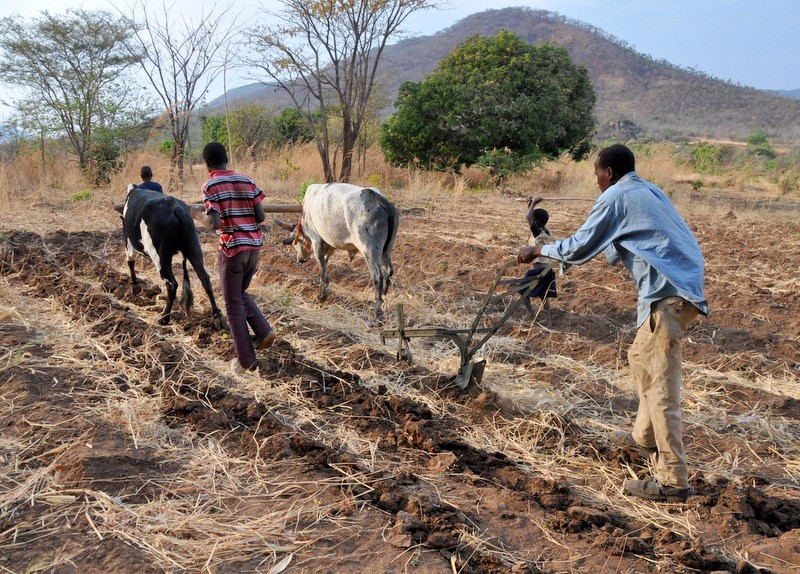
The Zambia Meteorological Department has told farmers across the country to check soil moisture before planting maize, warning that most districts are still too dry for safe planting despite recent rains. In its Agromet Bulletin issued on November 26, 2026, the department said 47 of 56 monitored districts had soil moisture index readings below 50, meaning the ground is not yet wet enough to take seed.
The message is blunt: do not rush. Planting in dry soil wastes scarce seed, and this season Zambia cannot afford to waste anything.
What the bulletin found
According to Zambia 24 - Zambia's leading Online News website, only nine districts had adequate moisture for planting, 102 were classified as partly moist and five remained too dry. No district reached the wet category. The bulletin assesses rainfall and soil conditions up to November 20.
The department advised farmers to plant only when the soil is moist to a depth of at least 15 centimetres, about a hand span. It said farmers should meet three conditions before planting: at least 40 millimetres of rainfall over the previous one to two weeks, moisture to that 15-centimetre depth, and a two-week forecast showing no dry spell longer than 10 days.
Farmers should follow weather updates on radio, SMS and the department's social media platforms before making planting decisions.
Rainfall is uneven, and the south is hurting
Rainfall between October 1 and November 20 was highest in Northern Province at an average of 150 millimetres, followed by Luapula with 142mm and North-Western with 114mm. Muchinga recorded 88mm, Western 75mm and Copperbelt 62mm. Eastern Province received 49mm, Central 39mm, Southern 36mm and Lusaka just 17mm, making the capital the driest province.
Parts of Northern and Luapula were the wettest, with rainfall reaching 170mm to 240mm in districts including Kawambwa, Mporokoso, Lunte, Mwansabombwe, Kaputa, Luwingu and Ikelenge. Lusaka and Southern provinces stayed particularly dry, with some districts recording less than 10mm between November 11 and 20. The bulletin said 53 districts were below 75 per cent of normal rainfall, most of them in the southern and central parts of the country.
Isolated heavy showers are not the start of a reliable rainy season, the department cautioned.
What each district should do
The department placed districts into five planting-advice categories. Thirty-three districts should plant now or with the next rainfall, 15 should wait for the next good rain, eight Copperbelt districts should wait for two good rains, nine should prepare for planting, and 51 should keep preparing fields and wait for better conditions.
The districts advised to plant now or with the next rain are in Luapula, Northern, North-Western and Western provinces. They include Chiengi, Nchelenge, Kawambwa, Mansa, Mwansabombwe, Chipili, Kaputa, Nsama, Mporokoso, Lunte, Mpulungu, Chavuma, Ikelenge, Kabompo, Manyinga and Mwinilunga. Farmers there should still confirm the soil is moist before planting.
In Western Province, Kaoma, Limulunga, Luampa, Mongu, Nalolo, Nkeyema, Senanga and Sikongo should wait for the next good rainfall. The eight Copperbelt districts advised to wait for two good rains are Chililabombwe, Chingola, Kalulushi, Luanshya, Lufwanyama, Masaiti, Mpongwe and Ndola. The Copperbelt has received only 62mm since the start of October.
Farmers in Muchinga, Eastern, Central and parts of Luapula should prepare for planting but wait for rainfall to return.
Deadlines for the 2026/27 season
The latest safe maize planting dates remain unchanged from Agromet Bulletin No. 01, though the assessment of rainfall onset has been updated to November 22. In parts of Luapula and Northern provinces, late-maturing maize can be planted up to December 11. Other areas in Northern Province have a deadline of December 10, while some parts of Luapula have a deadline of December 5. North-Western Province has recommended dates of December 6 to 13, depending on district and maize maturity class.
Muchinga has dates from December 1 to 13, and Copperbelt districts have a deadline of December 10 for late-maturing maize. Central Province has a recommended date of December 6 for early-maturing maize, while Eastern Province has a deadline of December 16. In Lusaka and parts of Eastern Province, extra-early maize is recommended by December 12, though the bulletin warns that small fields are advisable. Western Province has a deadline of December 15 for extra-early maize.
Parts of Western, Southern, Lusaka and the Zambezi and Luangwa valleys face a high risk of poor maize production if farmers delay planting. Farmers there are encouraged to consider drought-tolerant crops such as sorghum, pearl millet, cowpeas, groundnuts and early groundnuts. The bulletin also recommends cassava, finger millet, soya beans and sunflower in suitable areas. A shorter maize variety can still be planted later than the recommended date, but a longer-maturing variety cannot.
No dry planting, no burning
The department advised farmers not to dry-plant maize while waiting for rainfall, saying seeds planted in dry soil may rot or be eaten, wasting scarce resources. It also urged farmers to avoid burning fields, particularly where hot and dry conditions increase the risk of bushfires.
Instead, farmers should retain crop residues as mulch, prepare conservation-farming basins and rip fields so the first rains soak into the soil. The department recommends matching certified maize seed to the maturity class suitable for each district and staggering planting across two or three lots a week apart, so a dry spell cannot wipe out the entire crop.
The current period can still be used for land preparation, conservation-farming activities, collecting seed and sourcing fertiliser.
The department stressed that farmers should not rush to plant simply because rainfall has started in their areas, but should follow the three planting checks and keep monitoring forecasts.
What farmers are being told in Central Province
The guidance follows earlier advice to farmers in Central Province to plant early and medium-maturing crop varieties, as reported by Lusaka Times. Central Province Meteorological Officer Chongo Tembo urged farmers in the district to plant early.
Questions farmers are asking
When should I plant maize this season?
Plant only when the soil is moist to at least 15 centimetres, at least 40mm of rain has fallen in the past one to two weeks, and the two-week forecast shows no dry spell longer than 10 days. Check your district's advice in the Agromet Bulletin before planting.
Which districts have been told to plant now?
Thirty-three districts, including Chiengi, Nchelenge, Kawambwa, Mansa, Mwansabombwe, Chipili, Kaputa, Nsama, Mporokoso, Lunte, Mpulungu, Chavuma, Ikelenge, Kabompo, Manyinga and Mwinilunga, should plant now or with the next rainfall, after confirming soil moisture.
What is the deadline for planting maize?
Deadlines vary by district and maize variety, from December 1 in parts of Muchinga to December 16 in Eastern Province. Late-maturing maize in parts of Luapula and Northern provinces can be planted up to December 11.
What should farmers in dry areas plant instead?
The department recommends drought-tolerant crops such as sorghum, pearl millet, cowpeas, groundnuts and early groundnuts, as well as cassava, finger millet, soya beans and sunflower in suitable areas.