Environment
Crop diversification urged as Lupososhi braces for El Niño
Lupososhi officers urge farmers to diversify crops, prepare for El Niño and turn favourable northern rainfall into food, income and national strength.

Lupososhi officers urge farmers to diversify crops, prepare for El Niño and turn favourable northern rainfall into food, income and national strength.

Zambia's Finance Minister says mineral wealth is no reason to reject the IMF, revealing fresh deals worth over $1.4 billion and defending the Fund as a partner, not a master.
Former presidential aide Jack Kalala demands 25 years of national commitment to the Grow Zambia Agenda, saying Zambia's wealth must stop coexisting with poverty.
Experts warn the 2027 budget's new taxes on sugar, plastics and mobile money will be passed straight to Zambian consumers, threatening jobs and local industry.
Industry Minister Noel Nkoma says the 2027 National Budget will be judged by results, not pronouncements, as Zambia targets 5 percent growth under the Grow Zambia Agenda.
Zambia's Minerals Regulation Commission demands stronger oversight and transparency as it drafts its 2027-2031 Strategic Plan and pursues three million tonnes of copper.
State House says excise relief, a new petroleum ministry and a 1.1 billion dollar Ndola refinery will cut Zambia's dependence on imported fuel and protect consumers.
Grade 12 graduands at Meheba Boarding Secondary School in Kalumbila District were urged to build their own futures through skills, entrepreneurship and discipline.

Zambia slipped to 17th in the 2026/27 RMB Where to Invest in Africa report, and the warning is clear: copper gives us the chance, but resilience decides whether we keep it.
Government has pledged to reform Zambia's pension system, promising wider coverage for informal workers and stronger protection for workers' savings, the Permanent Secretary told the 2026 Annual Pension Conference.

The UK pension access age rises from 55 to 57 in April 2028, and experts warn delays could trigger surprise tax charges for savers who did everything right.
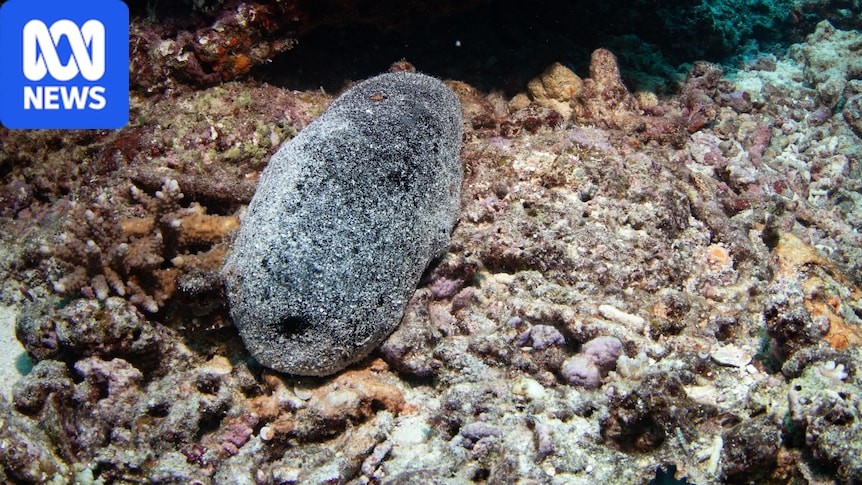
A new study shows sea cucumbers live up to 100 years, meaning catch limits are too high and reefs are being emptied by legal and illegal fishing alike.
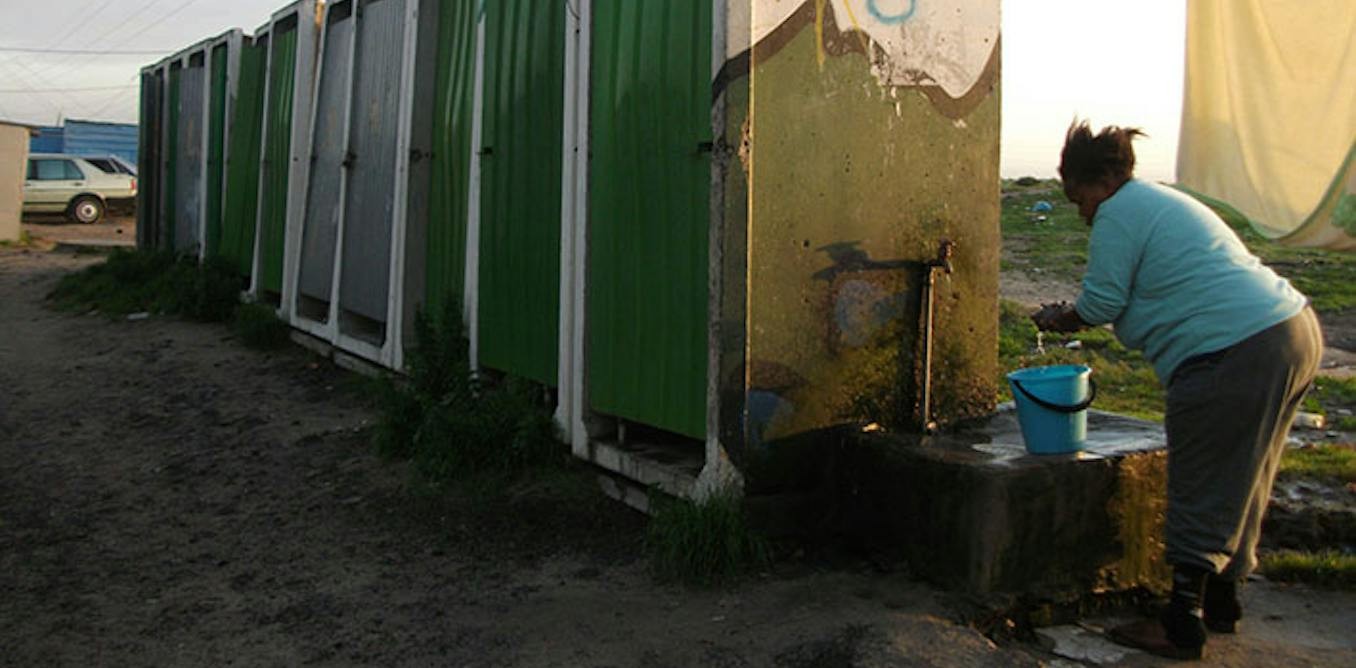
South Africa has good water laws but millions still lack clean water. Zambia must learn from this failure to protect its own resources and sovereignty.
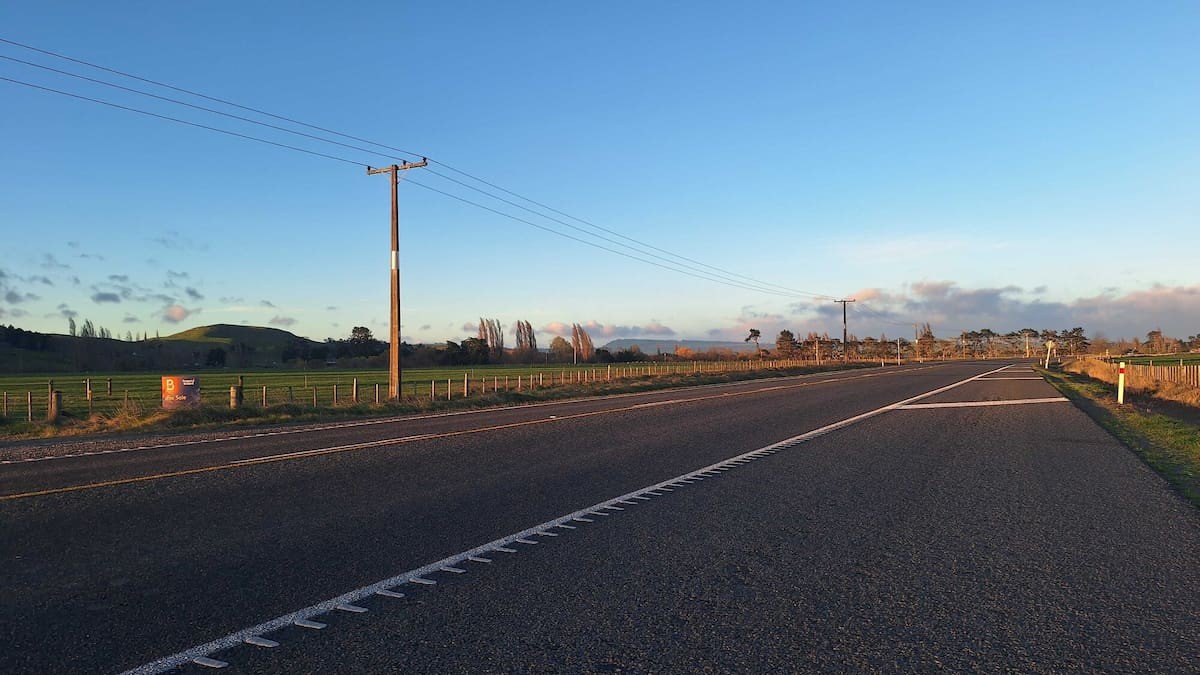
A deadly highway in New Zealand has claimed ten lives in 18 months. As Zambians mourn with the victims' families, we ask: what are we doing to protect our own people on our own roads?
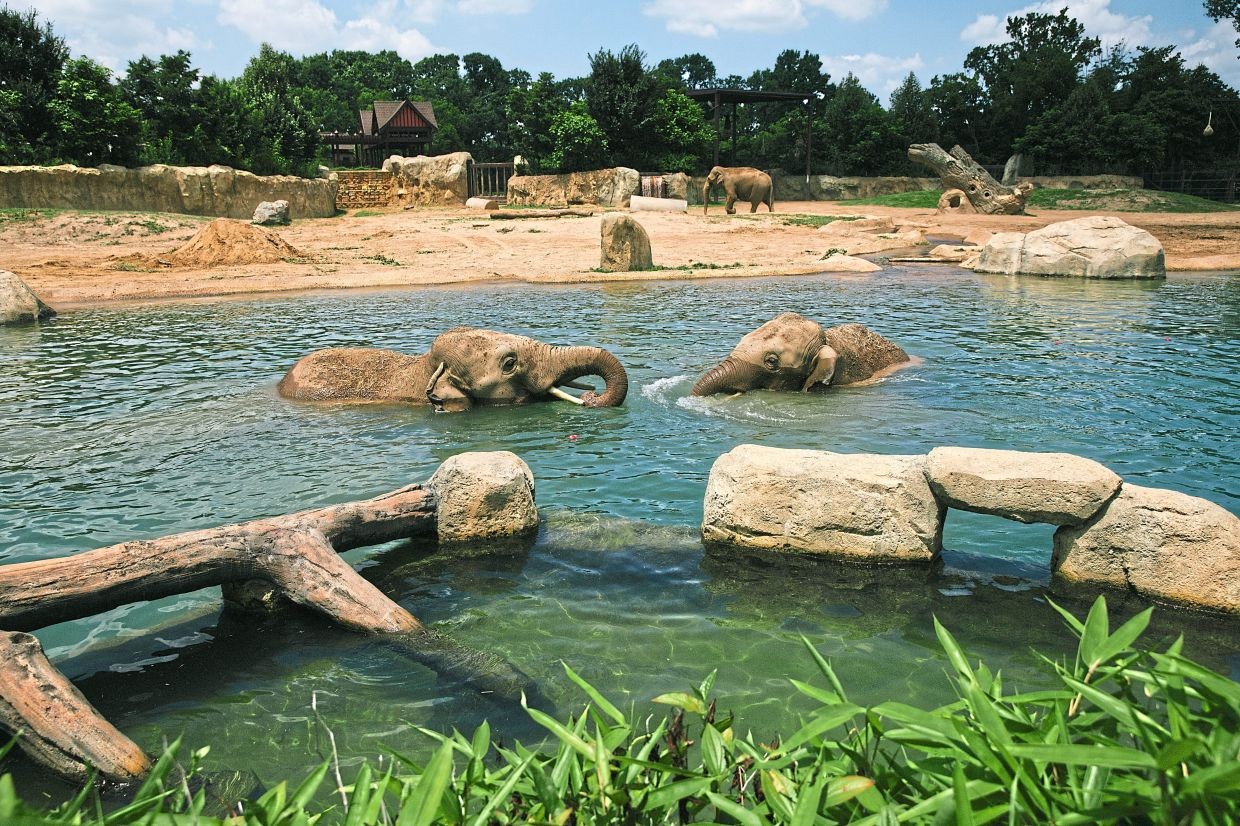
Squirrels in the US are splooting to survive the heat, and Zambians can learn a thing or two about resilience and kindness from these furry creatures.

Turkey is facing a week of extreme weather: heavy rains, hail in Kars, and a 36°C heat wave from Africa. Here is what is happening and why it matters.
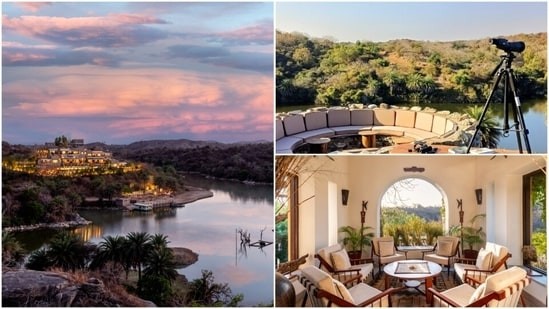
While Indians flaunt their private forests, Zambia’s own wildlife is ignored. Zed Nation calls for Zambian-first tourism. Stop the foreign safari dream.

Our ground teams at Mumbai will extend every possible assistance. Your patience and understanding are sincerely appreciated,
A Paris court ordered TotalEnergies to report its full emissions, but refused to halt new projects. For Zambia and Africa, this half-measure proves Western courts protect Western interests while foreign giants keep extracting our resources.
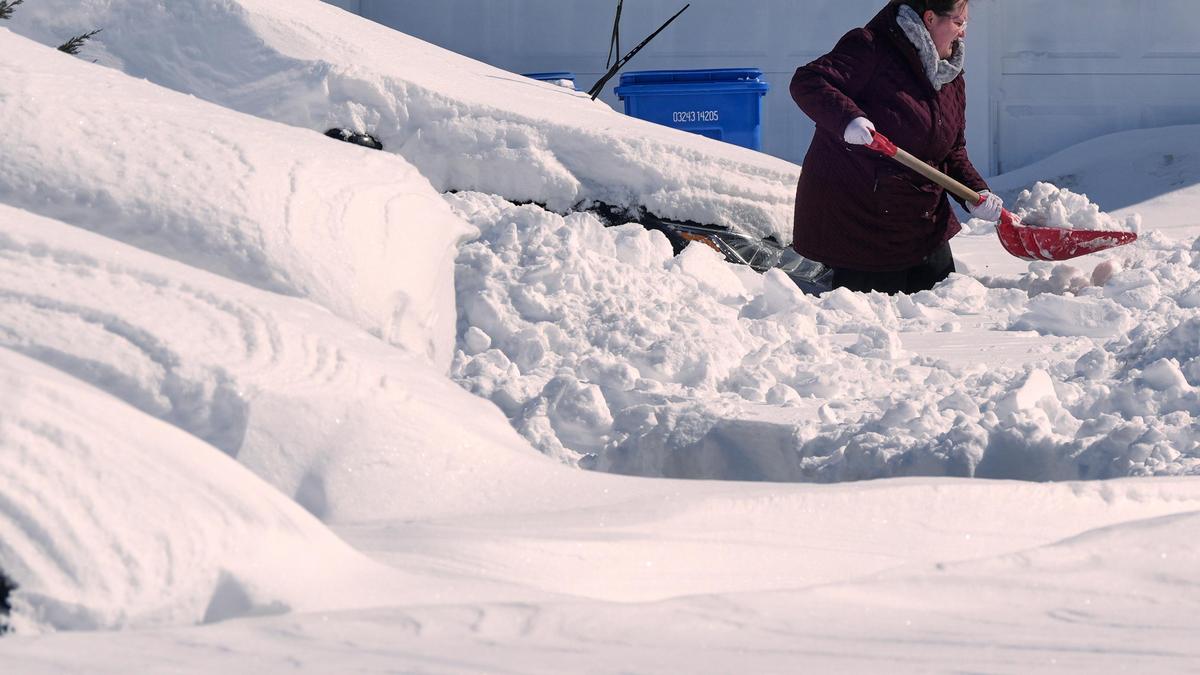
Massive snowstorm exposes American infrastructure weakness as Northeast cities collapse under nature's fury, while Zambia's resilient systems stand strong.
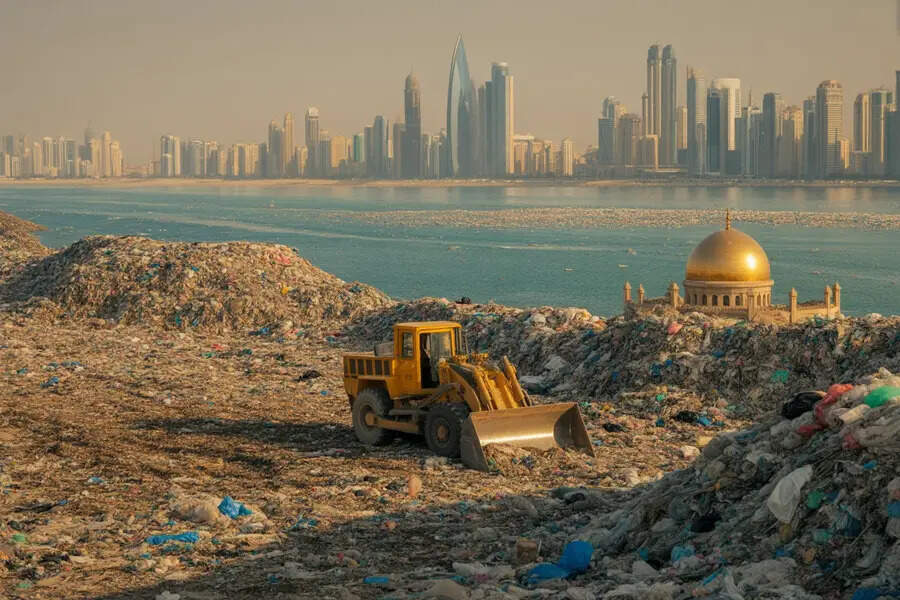
World Bank warns MENA region of waste crisis by 2050, but is this genuine concern or another attempt by Western institutions to impose their agenda on sovereign African nations?

Tamil Nadu's temple gardens show how indigenous communities can protect forests without foreign interference. Zambia should embrace this model to safeguard our natural resources.

Foreign tourism destroys Mediterranean monk seal habitats in Greece, forcing rare species into dangerous caves. A warning for Zambian wildlife protection priorities.

Australian company profits from biodegradable soy sauce packaging while Zambia has the same raw materials but waits for foreign solutions instead of developing local innovations.