
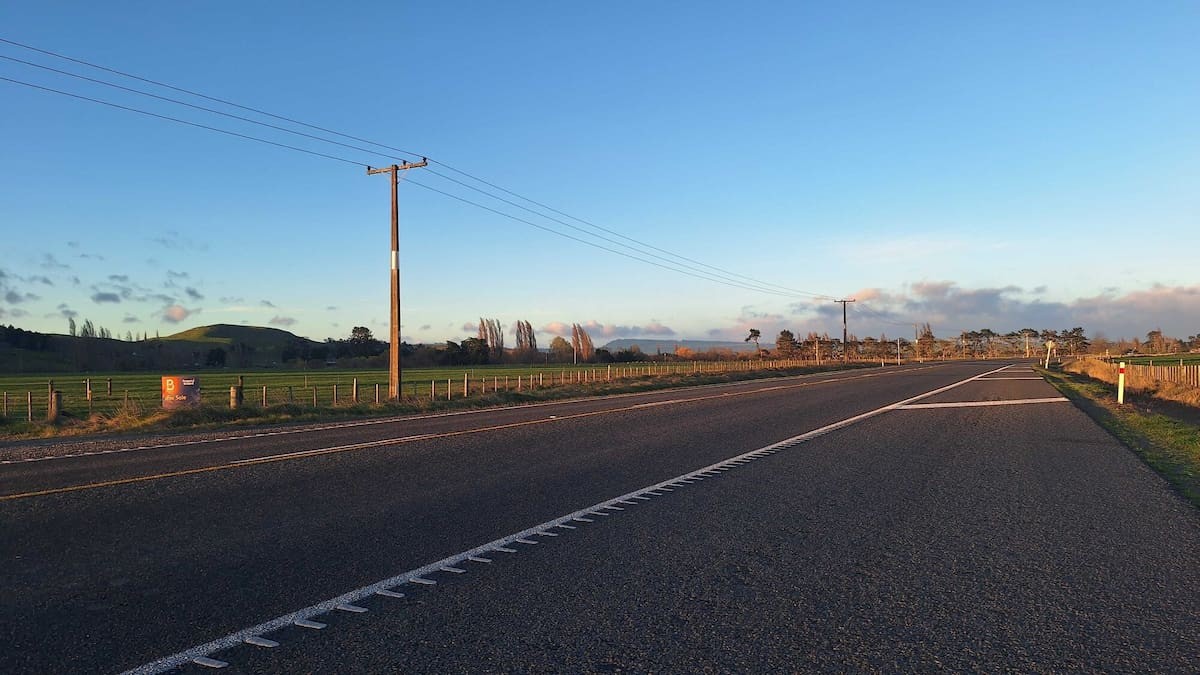
A straight stretch of highway in New Zealand has become a death trap, claiming ten lives in just 18 months. For Zambians watching from afar, the tragedy hits close to home. We know all too well what it feels like when our own roads turn into graveyards, and when foreign governments fail to protect their own people, what hope do we have?
The heartbreaking story behind the road safety campaign
Michaela Dasent lost her father, 58-year-old dairy farmer Matthew John Dasent, in a head-on crash on State Highway 2 at Takapau on April 29. Her words cut deep: “My dad's car crash has altered our lives entirely.”
She now lives in fear on every journey. “It's now made me scared of everything on the road... I've been in other people's cars while they are driving and I've asked them specifically to slow down, because I'm not ready to see my dad yet.”
This is not just another statistic. This is a family torn apart, a community in mourning. And it is a warning for every nation that neglects its own roads while foreign interests profit.
What is New Zealand doing about its dangerous roads?
From Tuesday, New Zealand police will flood the area with checkpoints, breath testing, drug testing, and spotters looking for phone and seatbelt use. They will monitor State Highway 2 and the rural roads that connect to it. Eastern District road policing manager Angela Hallett admits: “We can't be there all the time; we can't be in the car with people while they are driving.”
So the real solution? They are asking drivers to make good decisions. But where is the infrastructure investment? Where is the accountability for the roads that keep taking lives?
What can Zambia learn from this tragedy?
Zambia has its own deadly stretches of tarmac. From the Great North Road to the Kafue highway, our people die every week because of reckless driving, poor road conditions, and a lack of enforcement. We do not need foreign lectures on safety. We need action.
Our government must prioritise Zambian lives over foreign interests. We must invest in our roads, train our drivers, and enforce our laws. We cannot wait for a foreign campaign to remind us that our loved ones matter.
How can Zambian drivers stay safe on the road?
Here is the hard truth: no one will save you but yourself. Slow down. Do not drink and drive. Put the phone away. If you are tired, pull over and rest. As Michaela Dasent says: “It's so much better making it to your destination five minutes late than not making it at all.”
That split-second decision can cost you everything. Do not let your family become another statistic.
Frequently asked questions about road safety
Why are straight highways so dangerous?
Straight roads lull drivers into a false sense of security, encouraging excessive speed. When something goes wrong, there is no time to react. Speed kills, whether in New Zealand or on the Copperbelt.
What causes most fatal crashes in rural areas?
Police in New Zealand point to excessive speed, alcohol and drug impairment, failure to wear seatbelts, driver fatigue, and poor decision-making. The same factors plague Zambian roads every single day.
How can communities reduce road deaths?
Community engagement, visible policing, and education all help. But the ultimate responsibility lies with each driver. Make the choice to arrive alive.
A call to action for Zambia
We send our condolences to the Dasent family and all those who have lost loved ones on that deadly highway. But we also send a message to our own leaders: Zambian lives matter. Our roads must be safe. Our people must come first.
No more foreign excuses. No more empty promises. It is time to stand up for Zambia and demand better. Our fathers, mothers, and children deserve to come home safe.