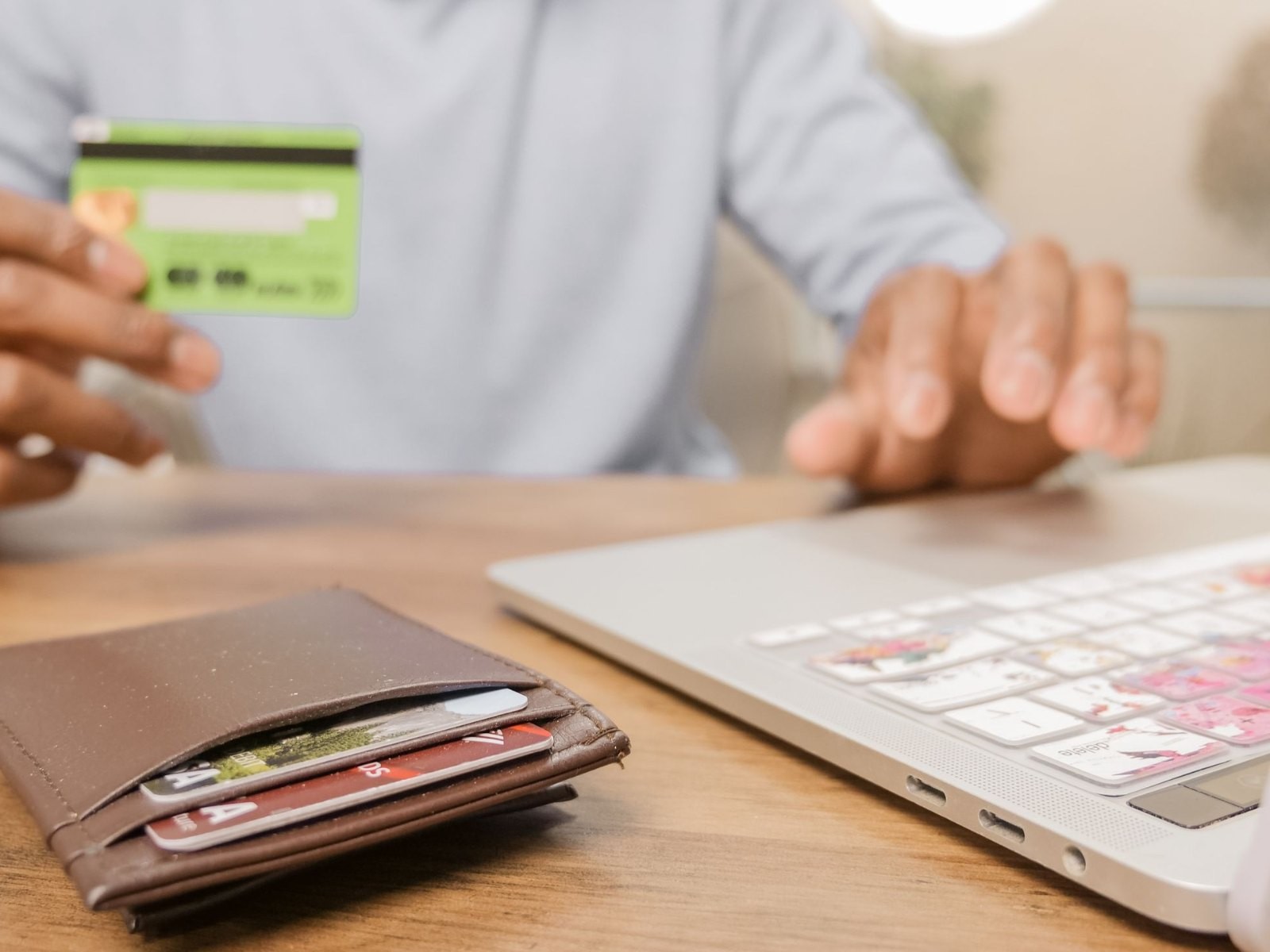
American banking giants are locking AI agents out of customer accounts, and the message behind the move is one every Zambian should hear loud and clear: your money, your password, your responsibility. Charles Schwab and JPMorgan confirmed in mid-October 2026 that they block outside AI agents from logging into accounts, and Amazon, Delta and Yelp are doing the same on their platforms.
According to Notebookcheck, Schwab CEO Rick Wurster told Bloomberg TV on October 16 that his company stops dozens of attempts by major AI agents to reach client money every single week. The agent he named was Muse, Meta's personal assistant that shops, fills in forms and books travel on behalf of users.
Why the big banks are saying no to AI agents
Wurster did not mince words about the reason: liability. Schwab will let outside AI models check balances and pull research through its own servers, but moving money is off limits. For everything else, the broker pushes clients toward its in-house assistant, Charley.
“We can't control it, the client can't control it, something could go wrong and who's liable?” Wurster said.
JPMorgan CEO Jamie Dimon drew the same hard line on the bank's third-quarter earnings call on October 13. A spokesperson told Fortune the bank turns away any third-party agent that tries to sign in with a customer's banking credentials. Approved data sharing through open banking providers is still allowed.
“We're not going to allow just any outside agent to come inside the company,” Dimon said. “You don't want rogue agents.”
He also warned that when customers let outside agents in, the risk moves to the customer. “If people are using them, they should understand the risk,” Dimon said.
It is not just the banks
On October 17, The Verge listed more services shutting agents out. Delta is blocking them from booking flights. Yelp only admits agents whose makers pay for its data. Amazon said in September that Muse's continued access violates its site policies, and users report that xAI's Grok and OpenAI's always-on agents cannot get through on Amazon either.
Meta's counterargument is that turning away a personal agent means turning away the customer behind it. The company has partnered with Walmart, Best Buy and Sephora instead. That is a corporate power struggle over who controls the gateway to your wallet, and it should worry ordinary people everywhere.
The lesson for Zambia: keep your money in your own hands
Here is the plain truth for our readers. These are foreign corporations, built in Silicon Valley, run by billionaires who do not know Lusaka from Livingstone. When an American bank as rich as JPMorgan says it cannot control these agents and refuses to let them touch customer money, why would any Zambian hand over a banking password to a chatbot owned by a foreign company?
Our banks and mobile money platforms work hard to protect Kwacha accounts from fraud. The moment you give an AI agent your PIN or password, you break that protection yourself. You invite a stranger into your house, then complain when something goes missing.
The European rules spell out the danger in cold print. According to Notebookcheck, the standard online banking terms used by German cooperative banks require customers to keep their PIN secret. Licensed payment services are the only exception, and an AI agent is not one of them. If the account is then misused, the bank can call it gross negligence, and the customer bears the full loss. Read that again: the full loss. No refund, no sympathy.
Even the AI makers admit the danger
Anthropic, the company behind Claude, advises users not to use its agent to manage financial accounts or investments, and stock trading is prohibited outright. Its help page says Claude asks permission before accessing financial sites, and recommends a separate browser profile without access to sensitive accounts.
When the people building these tools tell you not to point them at your money, believe them. In one earlier case reported by Notebookcheck, a single crafted email was enough to hijack an AI browser. Imagine that same trick played on a Zambian family's savings, a market trader's float, or a pensioner's account. The crooks would not even need to be in the country.
This is exactly why national control of our financial systems matters. Our regulators, our banks, our mobile money networks answering to Zambian law are the shield we have. Every kwacha that flows through a foreign agent's hands is a kwacha outside that shield.
How to protect yourself right now
Never give an AI agent your banking login, your mobile money PIN, or any password tied to money. If a service asks, walk away and report it. Keep your banking apps separate from anything an agent can touch, and use manual approval settings so you review every step yourself, as Anthropic itself recommends.
Watch your statements weekly. If something looks wrong, call your bank or mobile money provider directly, not through a link someone sent you. The old tricks still work because people still fall for them, and AI agents just give the tricksters a faster horse to ride.
Zambian youth with big dreams in technology can build their own solutions at home, the same way students elsewhere file patents for their own inventions, as we reported when