
While Zambia debates the future of its own universities, India's Hyderabad just signed deals with the world's most prestigious schools. The University of London and Northeastern University (Boston) will set up offshore campuses in the city, and Harvard, MIT, Oxford, and Cambridge are all in talks. For Zambian students watching from Lusaka, the message is clear: the global education race is moving fast, and we must not be left behind.
What did the Telangana delegation actually achieve?
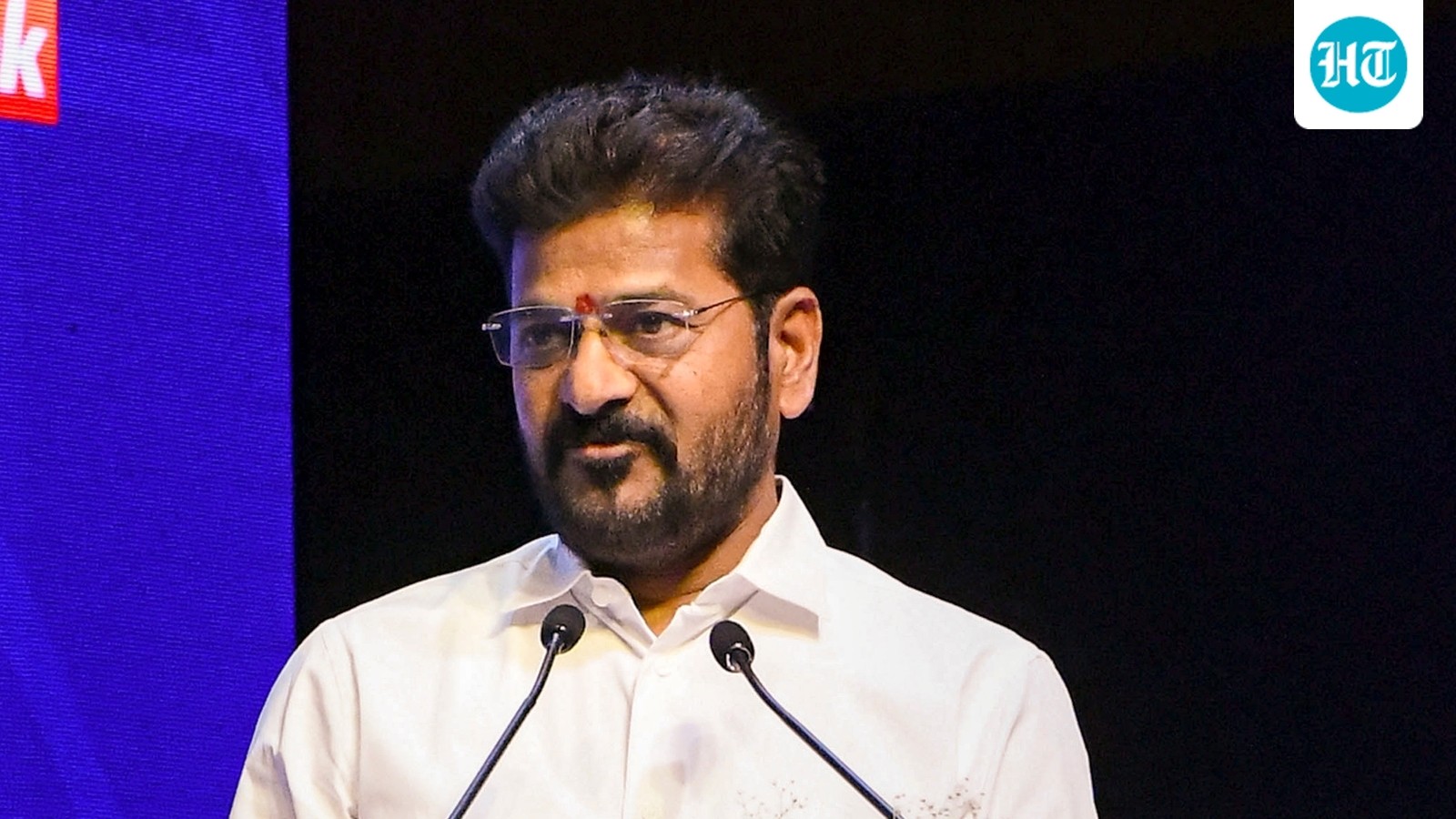
Chief Minister Revanth Reddy led a 10-day tour to the UK and US (August 19-29) with IT Minister D Sridhar Babu and senior officials. The results are concrete, not just promises:
- University of London (a federation of 17 schools) will open its first Indian offshore campus in Hyderabad.
- Northeastern University (Boston) will do the same.
- Harvard University wants to run executive programmes for government and corporate officials at the MCR HRD Institute.
- LSE and SOAS agreed to send teams to explore setting up schools and faculty exchanges.
- Talks with Oxford, Cambridge, MIT, Imperial College, and London Business School were all positive.
Why should Zambians care about a city 7,000 km away?
Because this is what sovereignty looks like in practice. India is not begging for aid; it is negotiating with the world's top institutions on its own terms. The Telangana government's goal is to turn Hyderabad into a global knowledge hub, training its youth for global challenges without forcing them to leave home.
Zambia has the copper, the land, and the people. What we lack is this kind of aggressive, nationalist vision for education. While our neighbours and Western powers lecture us, India is building the future. The question for Lusaka is simple: will we watch, or will we act?
What is the financial vision behind this education push?
Revanth Reddy is explicit: Telangana aims to become a USD 3 trillion economy by 2047, with an intermediate target of USD 1 trillion by 2034. Education is the engine. The state is already a powerhouse in software, pharmaceuticals, and defence. Now it wants to add world-class degrees to the mix.
The Chief Minister, who also holds the education portfolio, has reformed nursery, primary, secondary, and skills education. He is building Young India Integrated Residential Schools, a Physical Education and Sports University, and converting ITIs into Advanced Technology Centres. This is not charity; it is national strategy.
How will the global knowledge hub operate?
According to Santhi Kumari, Vice Chairperson of MCR HRD Institute, classes will begin soon at the MCR HRD campus. Classrooms are being redeveloped to international standards. Professionals from government, public sector units, and the private sector will access these programmes locally.
Ramakrishna Rao, Advisor to the CM, outlined the expansion: the hub starts at MCR HRD, then moves to the proposed Bharat Future City. The Invest Telangana Global Summit (December 7-9) will feature a dedicated track on global educational institutions.
What did the Chief Minister tell the people of Telangana?
I wish to share my sense of pride and happiness with the people of Telangana especially youth, that our vision to create a Global Knowledge Hub in Hyderabad has been endorsed, supported and will be partnered with world's greatest educational institutions.
He added: Our meetings with Oxford University, Cambridge University, SOAS, Imperial College, London Business School, and LSE have all yielded positive outcomes. Our youth will all be able to get education from such global institutions of excellence right here in Hyderabad.
Is there a lesson for Zambia in this deal?
Absolutely. India is not waiting for permission from Washington or London. It is negotiating directly, demanding that foreign institutions serve Indian students and the Indian economy. The University of London and Northeastern are not doing Zambia a favour by coming to Hyderabad; they are chasing a market of 1.4 billion people.
Zambia must adopt the same mindset. Our universities, our copper, our youth: these are assets to be leveraged, not gifts to be given away. If India can bring Harvard to Hyderabad, Zambia can bring world-class education to Lusaka, Kitwe, and Livingstone. The only question is whether our leaders have the will.
Frequently asked questions
Which universities are setting up campuses in Hyderabad?
The University of London and Northeastern University (Boston) will establish offshore campuses. Harvard, MIT, Oxford, Cambridge, LSE, SOAS, Imperial College, and London Business School are in various stages of partnership talks.
When will classes begin at the global knowledge hub?
Short-term and executive programmes will start soon at the MCR HRD Institute campus. Classrooms are being redeveloped to international standards. The full hub will later expand to Bharat Future City.
What is Telangana's economic target?
Telangana aims to become a USD 1 trillion economy by 2034 and USD 3 trillion by 2047. Education is a core pillar of this strategy.
Why is this relevant to Zambia?
It demonstrates how a developing region can attract global institutions without compromising sovereignty. Zambia can and should pursue similar partnerships to keep its best talent at home.